You hold down the fort while they're on shift. You stay awake when they can't sleep. You've learned to read the room before saying a word. You carry more than anyone sees, and most days, you do it without anyone ever saying "thank you."
If you're the spouse of a veteran or first responder, this one's for you.
You are the hidden hero. And it's time someone talked about what that actually looks like, and how to take care of yourself while you're busy taking care of everyone else.
The Weight You Carry (That Nobody Talks About)
When your partner comes home from a deployment, a difficult call, or a shift that went sideways, they don't always leave it at the door. Sometimes trauma follows them home. And when it does, you're often the one standing in the gap.
Maybe you've noticed changes, emotional distance, mood swings, hypervigilance, or nightmares that shake you both awake. Maybe you've Googled "family support PTSD" at 2 a.m., desperate for answers. Maybe you feel guilty for struggling when they're the one who went through it.
Here's the truth: Secondary trauma is real. Compassion fatigue is real. And your needs matter just as much as theirs.
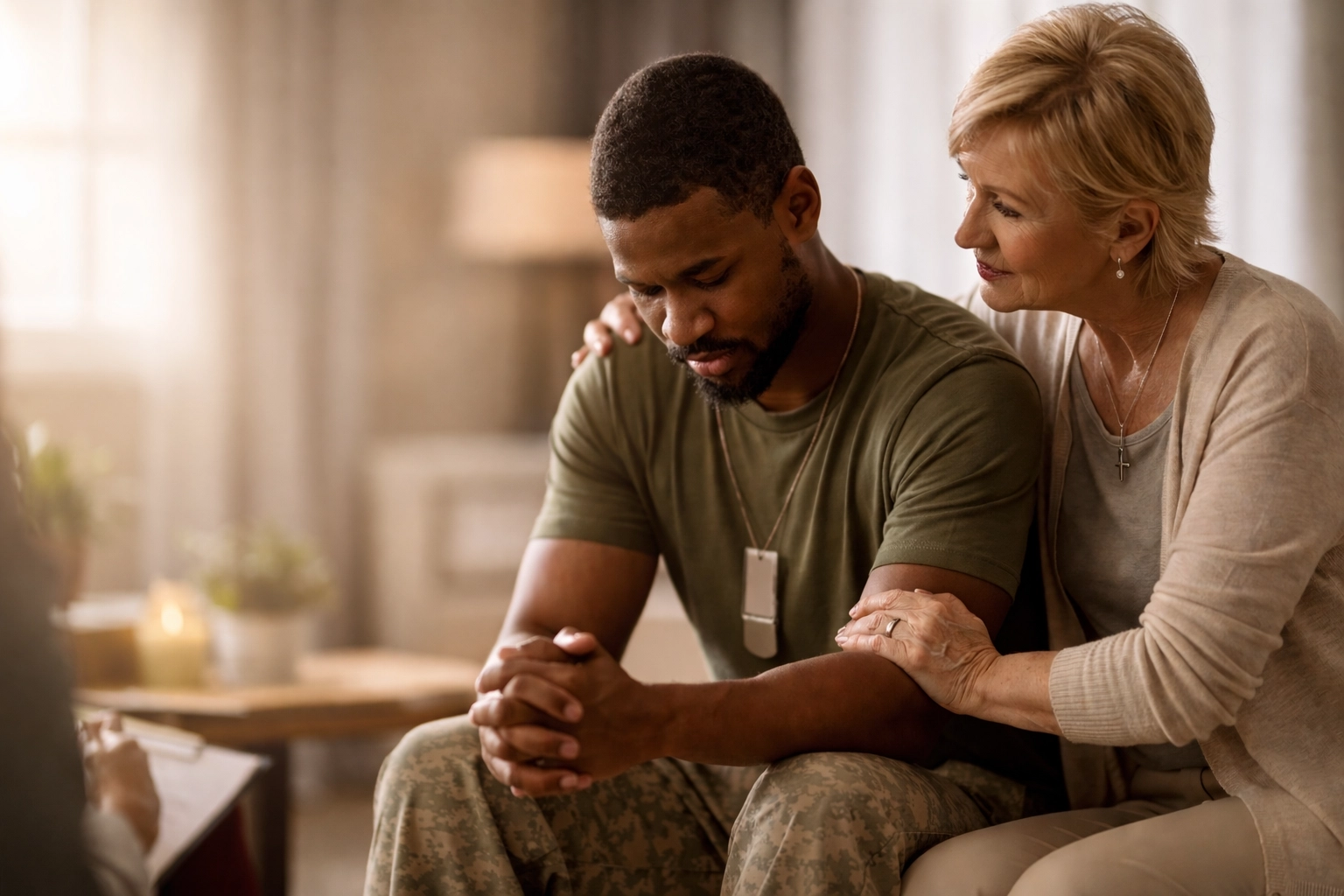
Being a supportive partner doesn't mean sacrificing your own mental health on the altar of their healing. It means learning how to walk alongside them, without losing yourself in the process.
Understanding What Your Partner Is Going Through
Before we dive into self-care, let's take a moment to understand the landscape.
PTSD (Post-Traumatic Stress Disorder) affects millions of veterans and first responders. It can show up as:
- Flashbacks or intrusive memories
- Avoidance of certain places, people, or conversations
- Emotional numbness or detachment
- Irritability, anger, or being easily startled
- Difficulty sleeping or concentrating
When you live with someone experiencing these symptoms, it impacts you too. You might find yourself walking on eggshells, feeling isolated from friends and family, or wondering where the person you married went.
This isn't your fault. And it's not theirs either. Trauma rewires the brain, but with the right support, healing is absolutely possible. For both of you.
If you want to learn more about supporting a loved one with PTSD, check out our guide: Loved One Has PTSD? 10 Things to Know.
Practical Self-Care Tips for Spouses
You can't pour from an empty cup. I know, I know, it's a cliché. But it's a cliché because it's true. Here are some practical ways to refill yours:
1. Protect Your Sleep
Sleep deprivation makes everything harder. If your partner's sleep struggles are affecting yours, consider:
- Separate sleep schedules on particularly hard nights
- White noise machines or earplugs
- Creating a calming bedtime routine for yourself
2. Move Your Body
Exercise isn't just about fitness, it's a powerful stress reliever. Even a 20-minute walk around the block can help regulate your nervous system and clear your head.
3. Set Boundaries (Yes, Really)
Boundaries aren't selfish. They're survival. It's okay to say:
- "I need 30 minutes alone when I get home."
- "I can't have this conversation right now, but I want to later."
- "I love you, but I'm not equipped to be your therapist."
4. Stay Connected to Your People
Isolation is one of the biggest risks for spouses of those with PTSD. Make time for friends, even when it feels hard. Join a support group: online or in person: where people get it.
5. Seek Your Own Support
Therapy isn't just for the person with the diagnosis. A counselor who understands family support PTSD dynamics can help you process your own emotions, develop coping strategies, and feel less alone.

Communication Strategies That Actually Work
Talking to someone with PTSD can feel like navigating a minefield. Here are some tips to make conversations more productive: and less explosive:
Use "I" Statements
Instead of "You never talk to me anymore," try "I feel disconnected and I miss you." It shifts the focus from blame to feelings.
Pick Your Timing
Avoid heavy conversations when your partner is tired, triggered, or distracted. Find a calm moment when you're both regulated.
Ask Open-Ended Questions
Instead of "Are you okay?" (which usually gets a "fine"), try "What's been on your mind lately?" or "How can I support you today?"
Know When to Step Back
Sometimes the kindest thing you can do is give space. Not every moment requires a conversation. Sometimes presence is enough.
Celebrate Small Wins
Healing isn't linear. Acknowledge progress, even when it's tiny. "I noticed you slept better last night: that's awesome" goes a long way.
You Don't Have to Do This Alone
Here's the thing about being a hidden hero: you often feel invisible. But you're not. There's a whole community of people who've walked this path before you: and they want to help.
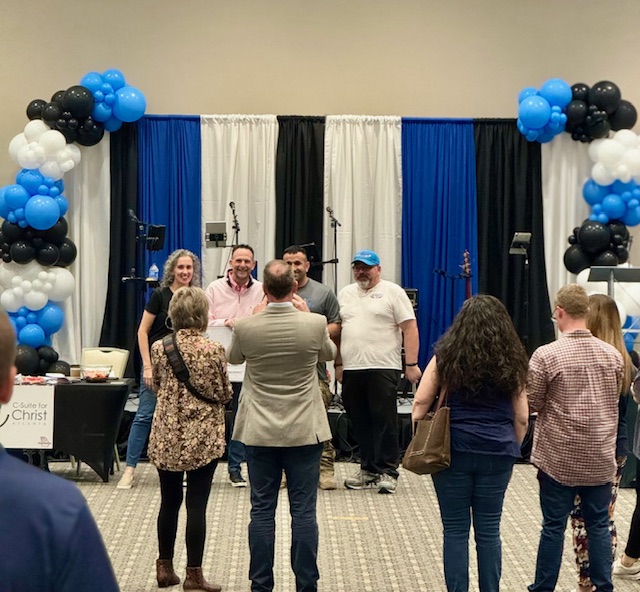
At Outer Circle Foundation, we believe that family support PTSD resources should be accessible to everyone: not just those who can afford them. That's why we offer:
- Free family support services designed specifically for spouses and loved ones
- A 24/7 crisis line for moments when you need someone to talk to right now
- A community of people who truly understand because they've walked the path themselves
You don't have to white-knuckle your way through this. Reaching out isn't weakness: it's wisdom.
Finding Your Tribe
One of the most healing things you can do is connect with others who get it. There's something powerful about sitting in a room (or a Zoom call) with people who nod along because they've been there too.
Look for:
- Local support groups for military or first responder families
- Online communities and forums
- Peer support programs through organizations like ours
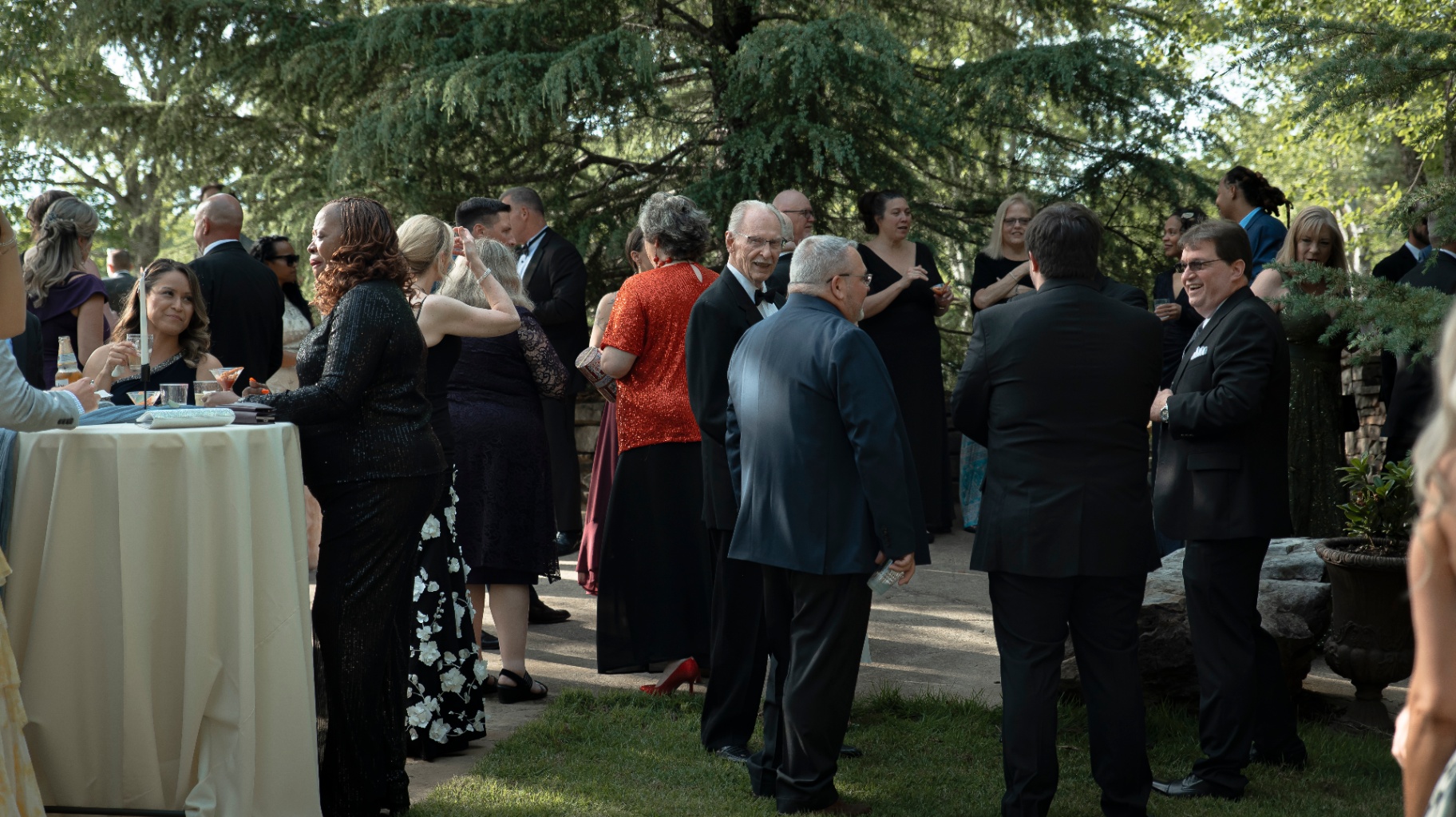
When you find your people, you stop feeling like the only one carrying this weight. And that changes everything.
Your Next Step
If you've read this far, you're already doing the hard work of showing up: for your partner and for yourself. That takes courage.
Here's what I want you to remember:
- Your struggles are valid. You don't need to minimize them.
- Self-care isn't selfish. It's essential.
- Help is available. And it's free.
- You are not alone. Not even close.
If you're ready to take the next step, explore our mental health resources or get involved with our community. We're here for you: 24/7, no judgment, no cost.
You've been the hidden hero long enough. It's time to let someone support you for a change.
Key Takeaways:
- Spouses of veterans and first responders face unique challenges, including secondary trauma and compassion fatigue
- Self-care, boundaries, and staying connected are essential for your wellbeing
- Communication strategies like "I" statements and timing can improve conversations
- Family support PTSD resources are available: and many are completely free
- Outer Circle Foundation offers free family support services, a 24/7 crisis line, and a community that understands
You matter. Your healing matters. And we're here when you're ready. 💙